
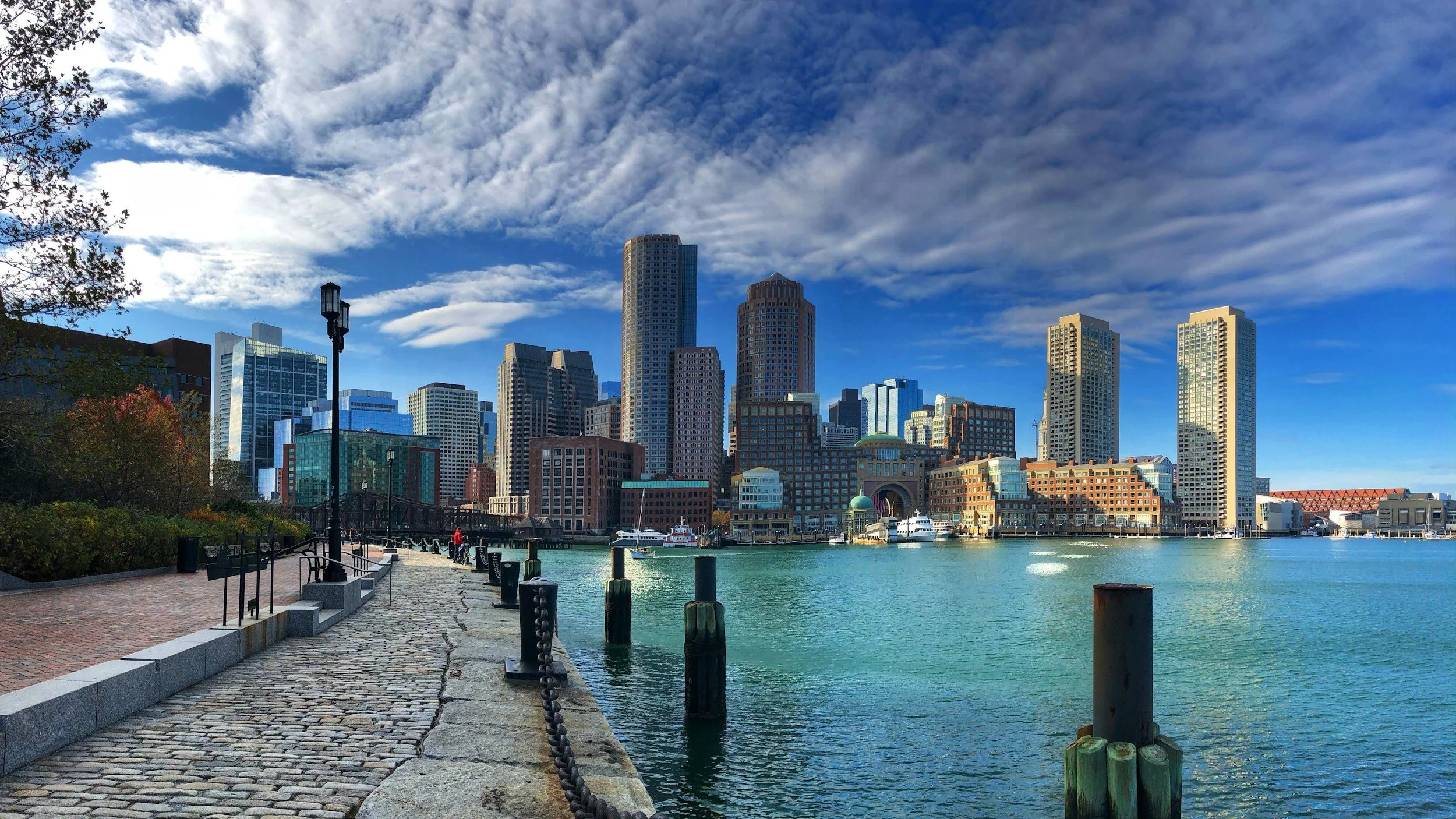
Chapter 91 Guide
What is Chapter 91?
Chapter 91, also referred to as the Massachusetts Public Waterfront Act, ensures that the public has access to our waterways across the state. The law regulates filled tidelands, great ponds, flowed tidelands, and non-tidal rivers and streams throughout Massachusetts, and mandates that waterfront developments include public benefits that increase accessibility to the water.
Why Chapter 91 Matters To You
Beach and Open Space Access. Protects public access to beaches and waterfront areas you can work and recreate on.
Community Benefits for New Developments. Requires developers to provide public benefits when building on waterfront property.
Environmental Justice. Ensures waterfront development serves all communities, not just wealthy developers or people living directly on the coast
Public Space. Creates opportunities for meeting spaces, parks, and recreational facilities
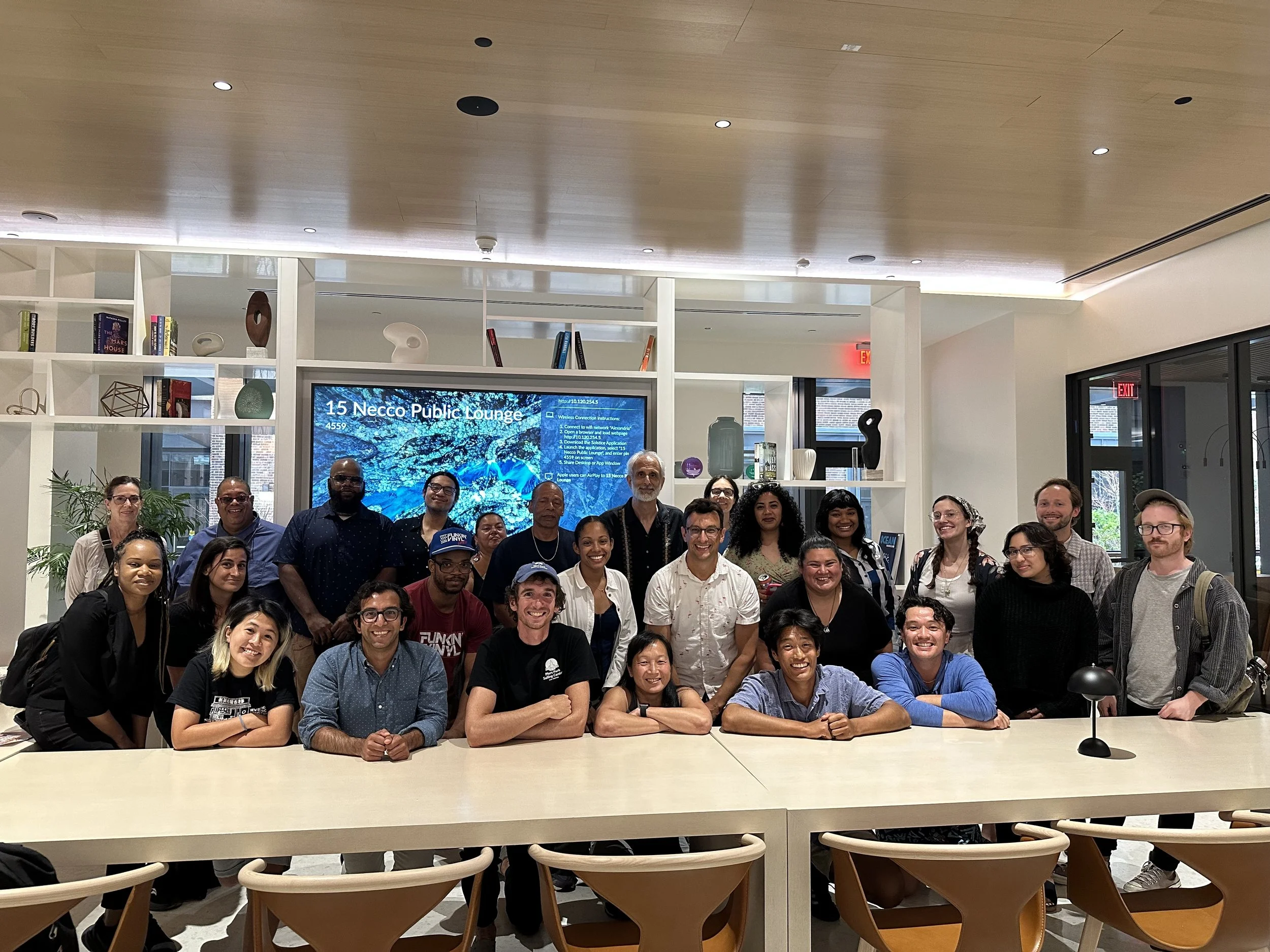
Examples of Public Benefits
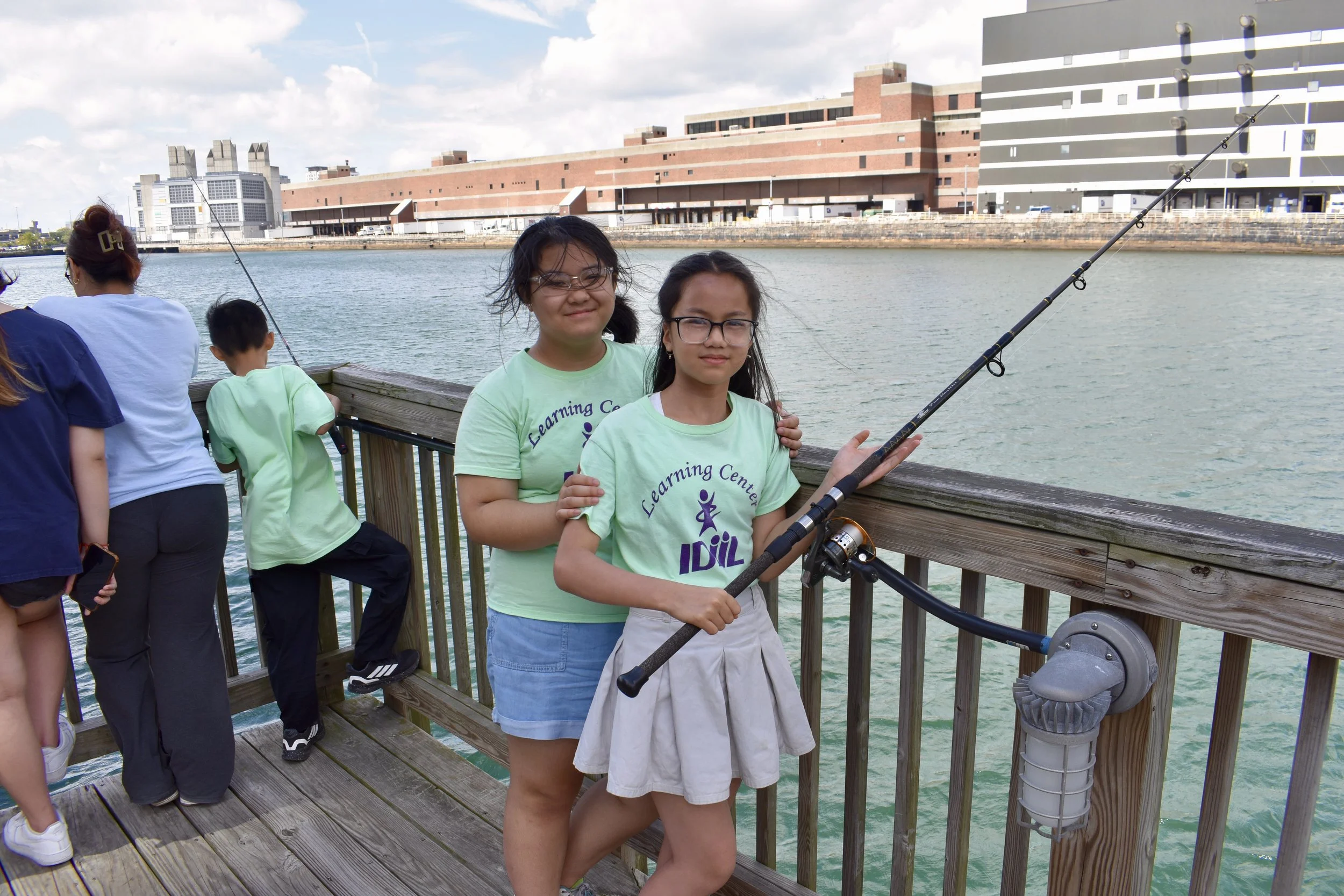
Access & Recreation
Waterfront walkways
Public boat landings
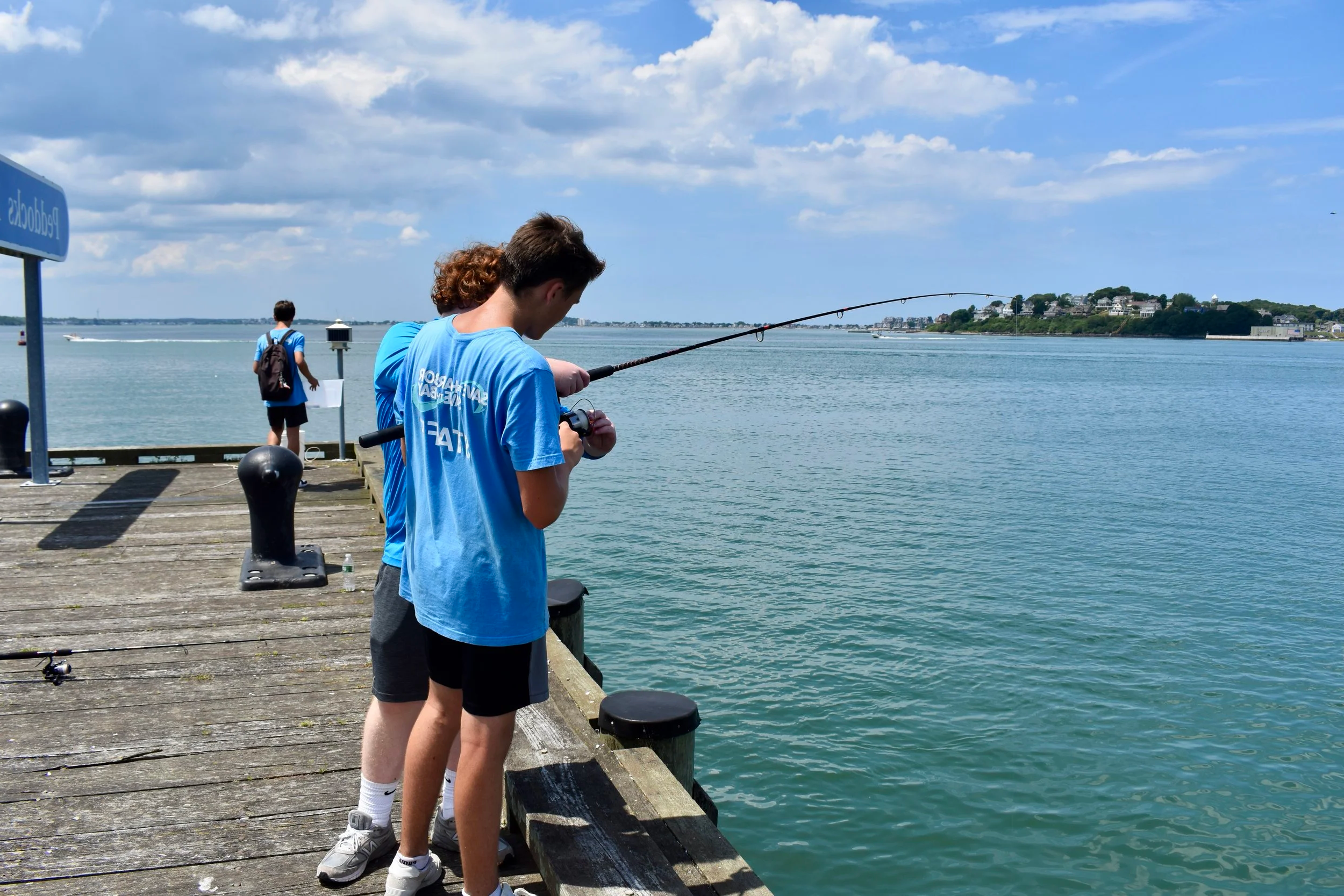
Fishing piers
Parks and open spaces
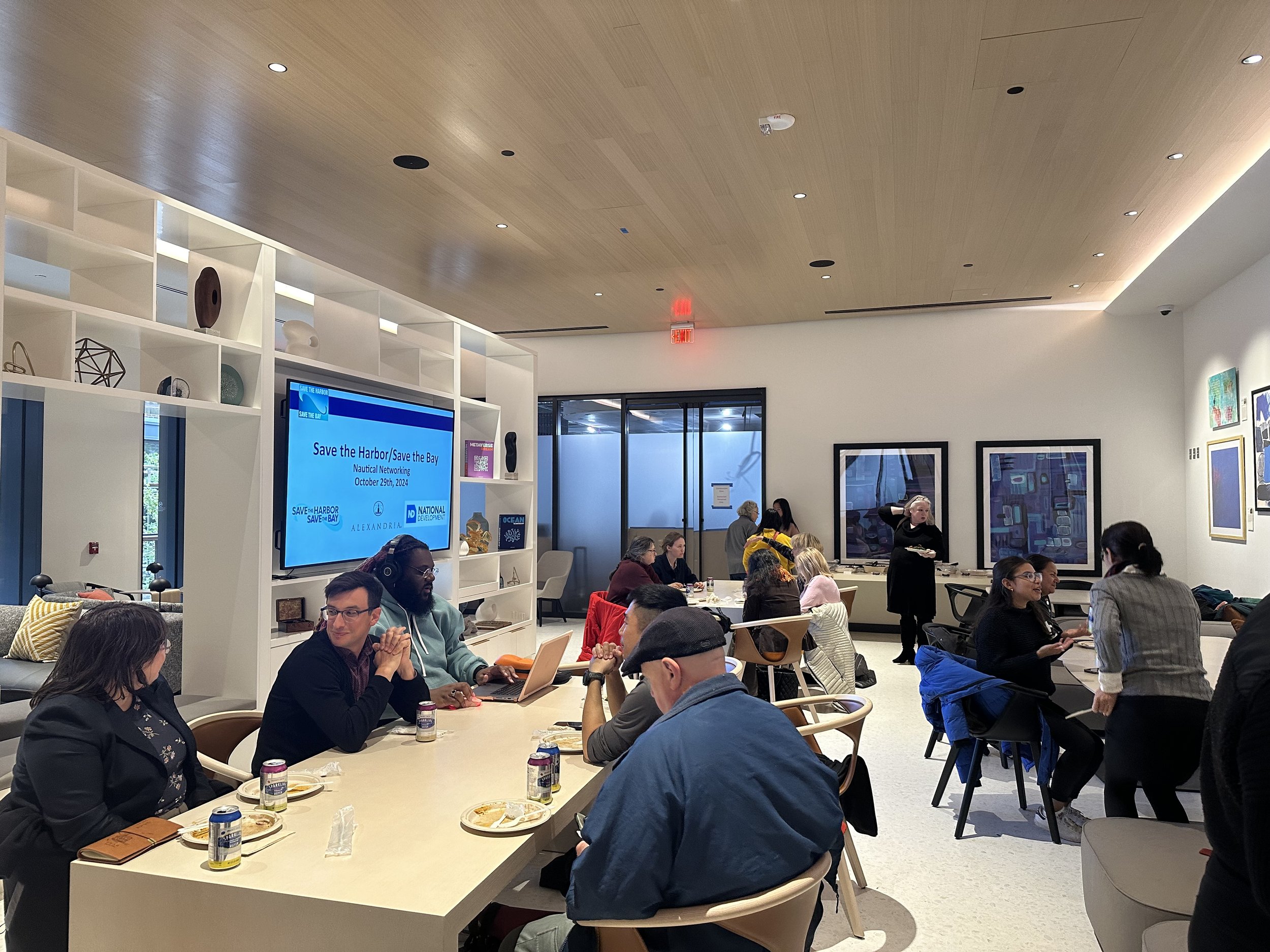
Community Facilities
Performance venues/event spaces
Community gathering/meeting rooms
Nonprofit office/operations buildings
Educational programming sites
Public/Civic buildings (daycare, library, senior center)
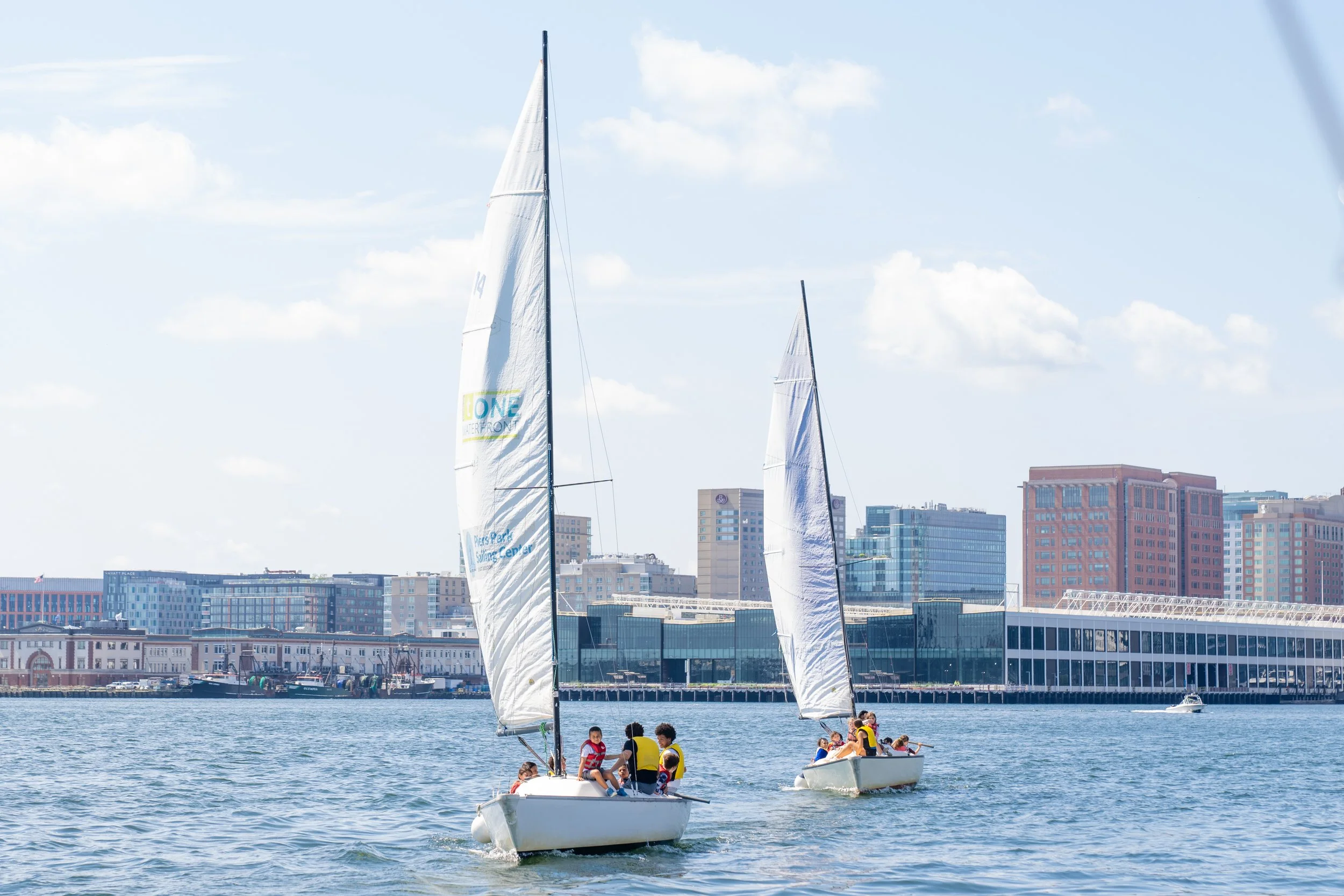
Improvements to Infrastructure
Transportation connections to and from a project site
Improvements to sidewalks, bike lanes, parking infrastructure
Climate resiliency and stormwater management adaptations
Your Chapter 91 Rights

Free access to public facilities and open spaces on the waterfront. Building on Commonwealth tidelands that are not water-dependent generally must be open to the public.
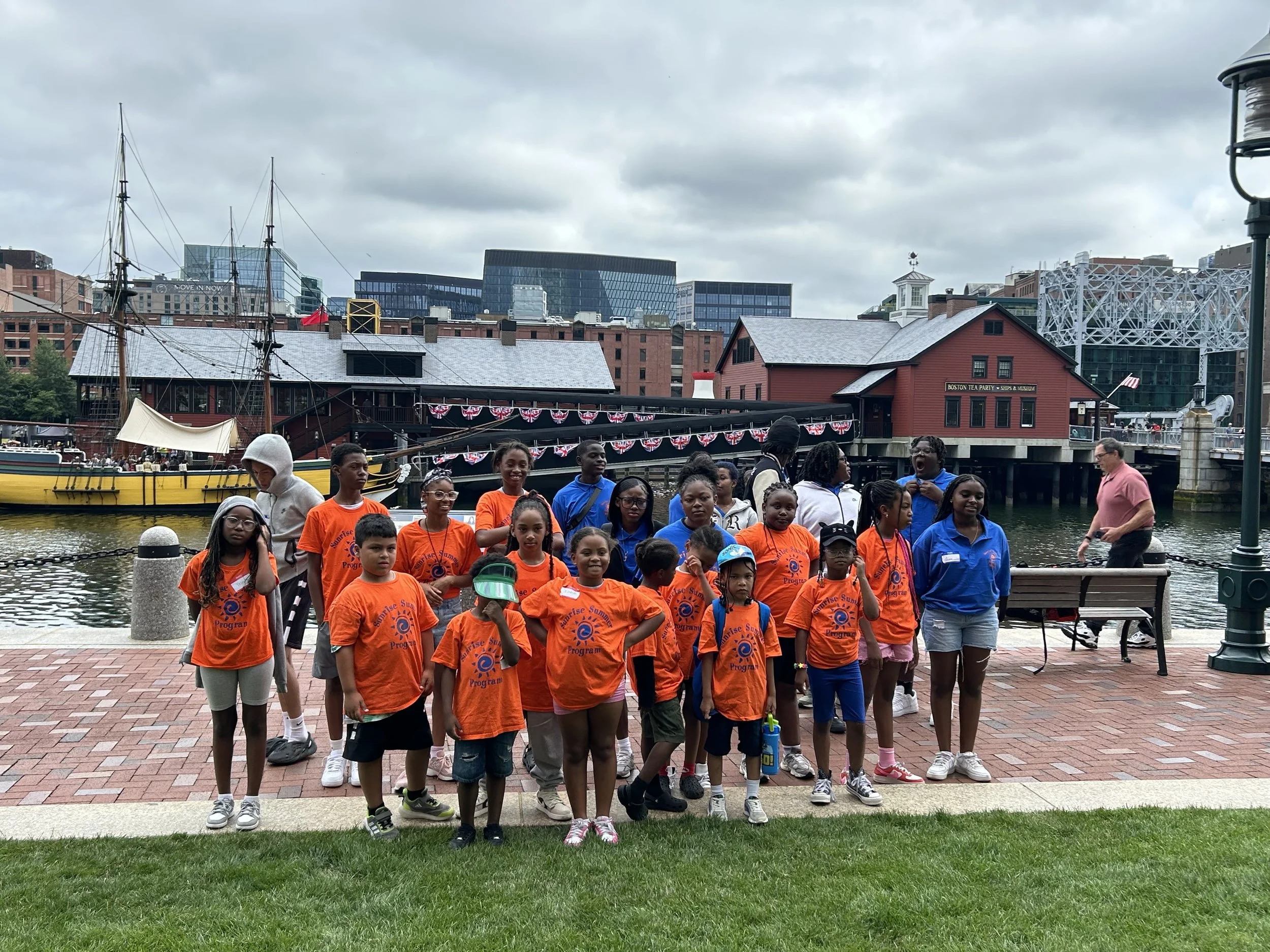
Demand that non-water dependent developments on Commonwealth tidelands includes substantial public benefits and public purposes.

Walk, pass freely, and conduct water-dependent activities like fishing and navigation on tidelands, unless the property’s waterways license limits this activity, or the state restricts access for public health and safety.

Expect legible and clearly worded signs detailing the publicly accessible areas, permitted uses, and benefits provided by all licensed sites.
Examples of waterfront projects
Waterfront Dependent Developments
Piers and wharfs
Marinas and boat houses
Fishing facilities
Shipping terminals
Non-water Dependent Developments
Hotels and restaurants
Office buildings
Residential developments
Retail stores
Non-water Dependent Developments
Hotels and restaurants
Office buildings
Residential developments
Retail stores
Getting Involved with Chapter 91
Connect with the Save the Harbor Policy team to learn more about Ch. 91 and development projects in your area.
1
The Mass Department of Environmental Protection (DEP) sets a public meeting date and deadline for written comments for new or existing developments. You can:
Submit comments in writing to MassDEP on the types of public benefits you would like to see included in a project. Comments are accepted 30-60 days after the public notice
Attend/comment at the public meeting(s), or work with the Save the Harbor policy team so that we can bring your concerns and ideas to these public meetings
2
After a public comment period, Mass DEP issues a determination describing conditions for the project 30-90 days after the final document submission. Mass DEP will publish the written decision in the Environmental Monitor. You can submit an appeal of the decision within 21 days of the written determination
3
Mass DEP will issue a final license either within 45 days of the end of the appeal period or within 15 days of the date the Governor signs it.
4

Other Resources for Chapter 91?
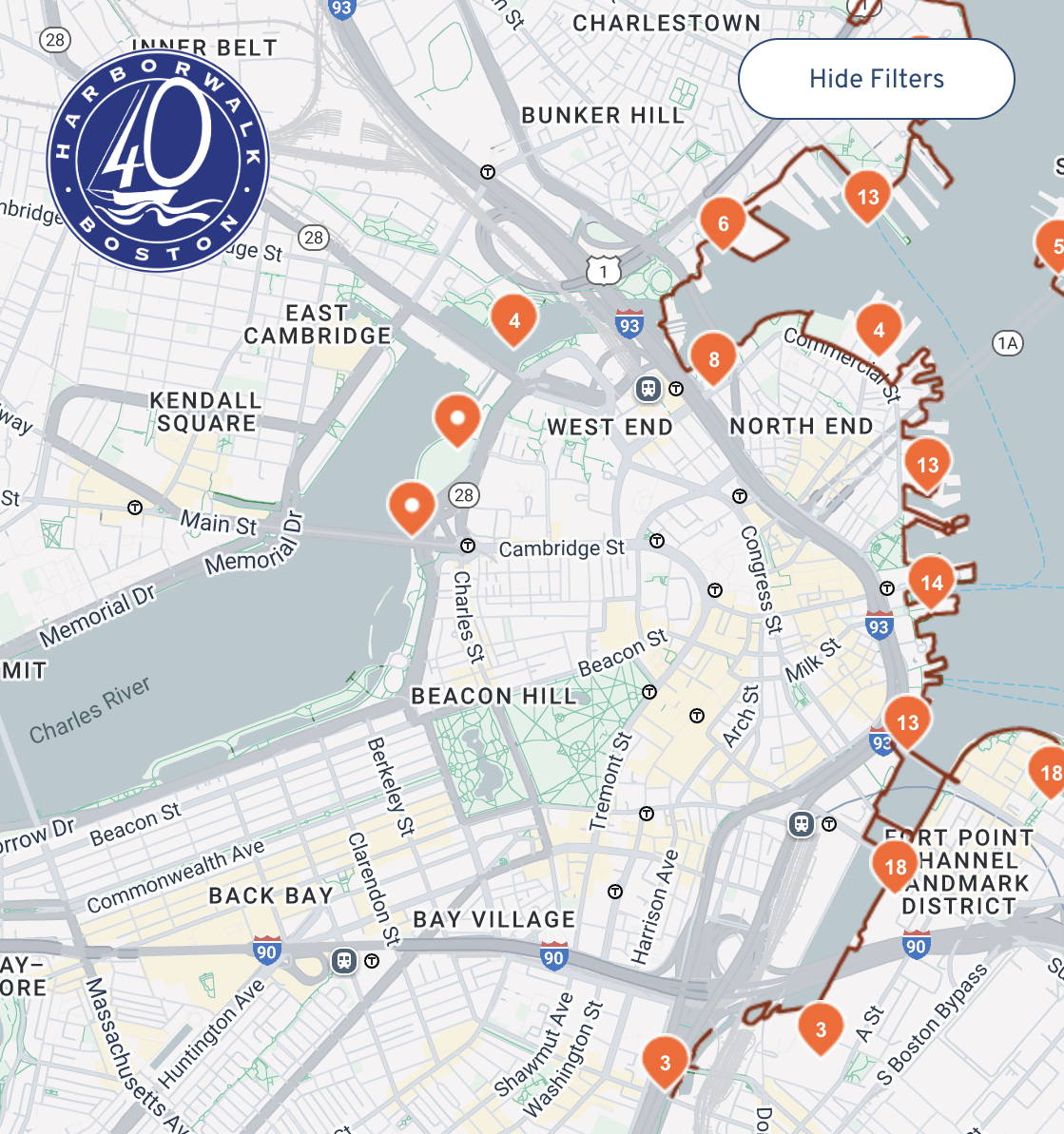
The Harborwalk Map and Public Amenities Database is hosted by Boston Harbor Now, and displays an interactive map and a “one-stop-shop option for visitors to easily navigate the waterfront and understand the full inventory of public amenities offered along the Harborwalk.” This is a tool created as part of the Chapter 91 benefits of the Fan Pier development in 2007, and shows the locations of publicly accessible restrooms, lobbies, water access points, meeting spaces, and more.
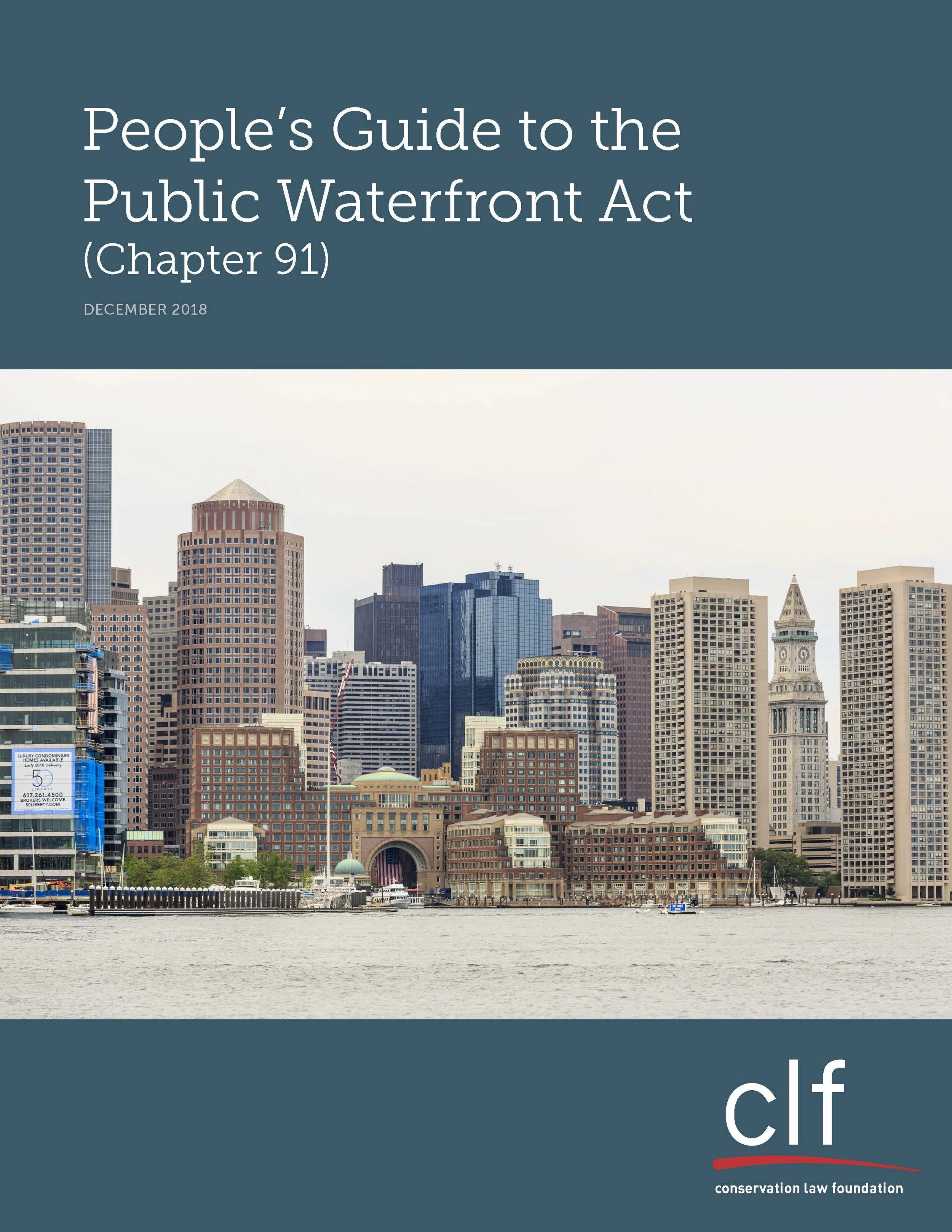
Conservation Law Foundation created a People’s Guide to the Public Waterfront Act (Chapter 91) in 2018 to explain the public’s right to waterfront access in Massachusetts, and highlight how the public can “speak up, be heard, and shape the future of our waterfront interests”. The guide defines many of the key terms used in Chapter 91 planning processes and the areas subject to Chapter 91, highlights the Bill of Rights for MA residents outlined in Chapter 91, and explains the process by which developments apply for and receive their Chapter 91 Waterways License from the MA Department of Environmental Protection (DEP).
This Chapter 91 story map includes a License viewer which displays locations of waterways licenses throughout the state, and clicking on each location allows viewers to access the official license for each waterfront site.
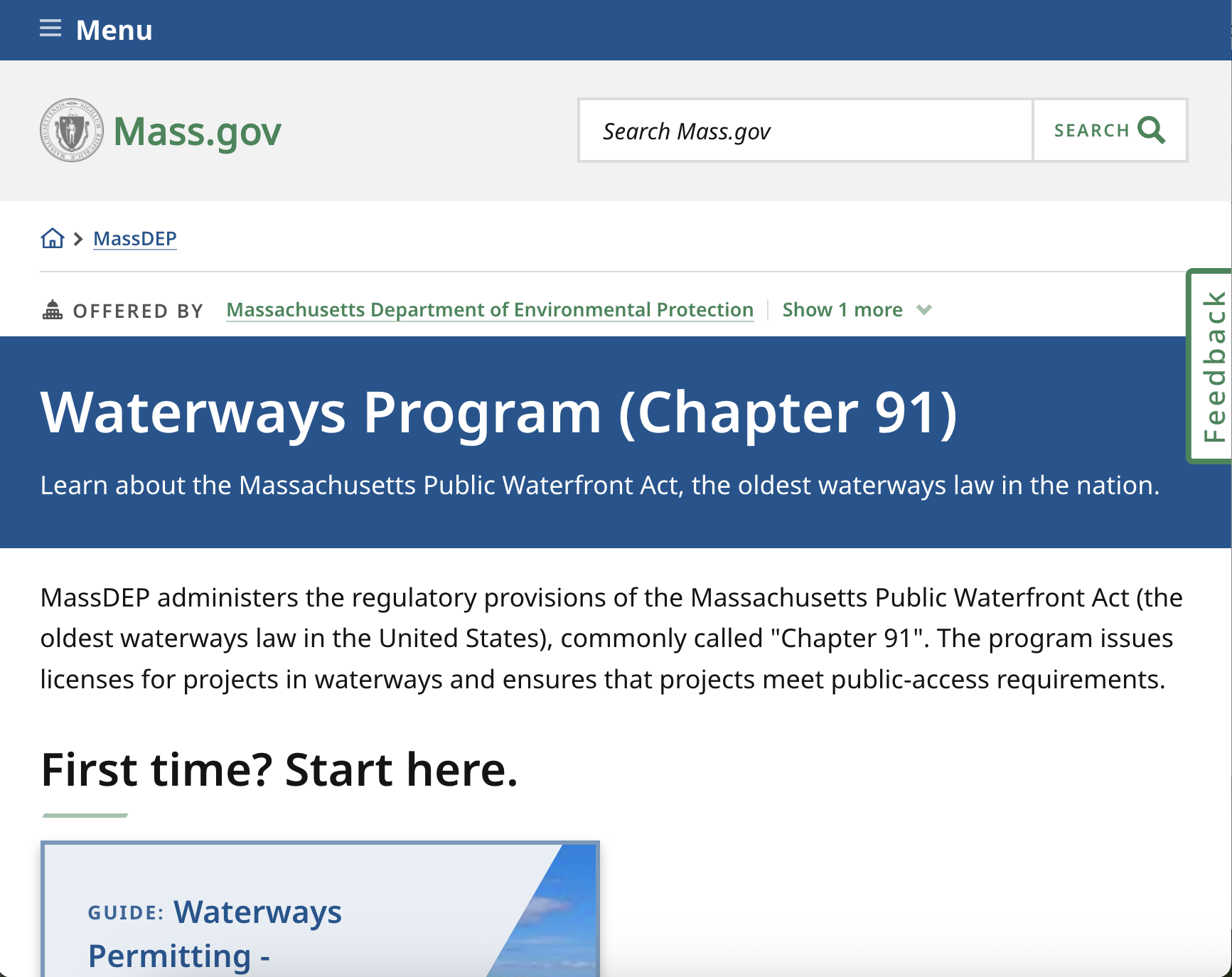
The state hosts a Chapter 91 webpage which includes FAQs, info sheets, and guides on Chapter 91. The official language for the Chapter 91 law can be found here.
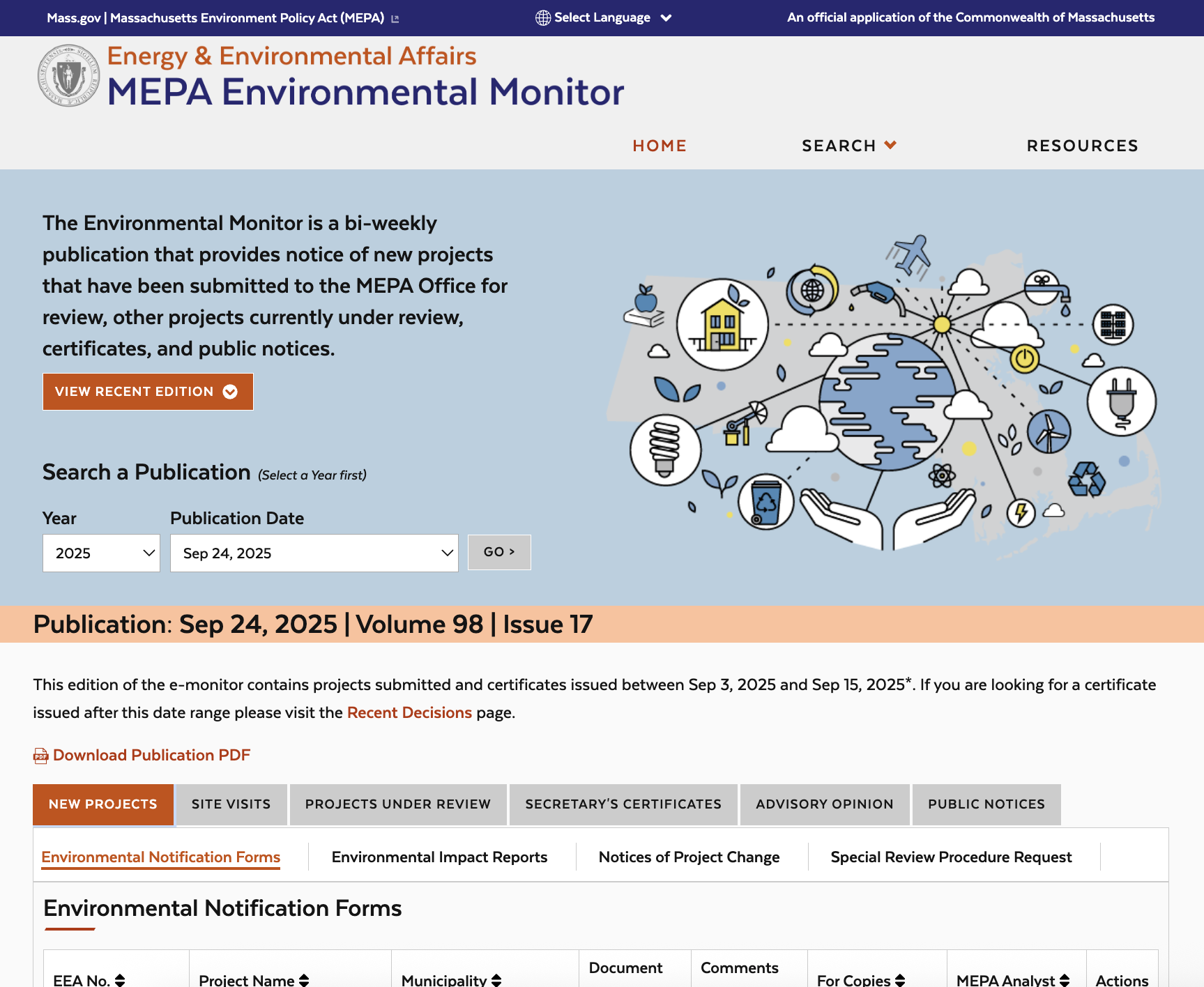
The Massachusetts EPA publishes and sends out the Environmental Monitor, a newsletter that you can sign up for to hear about development projects.
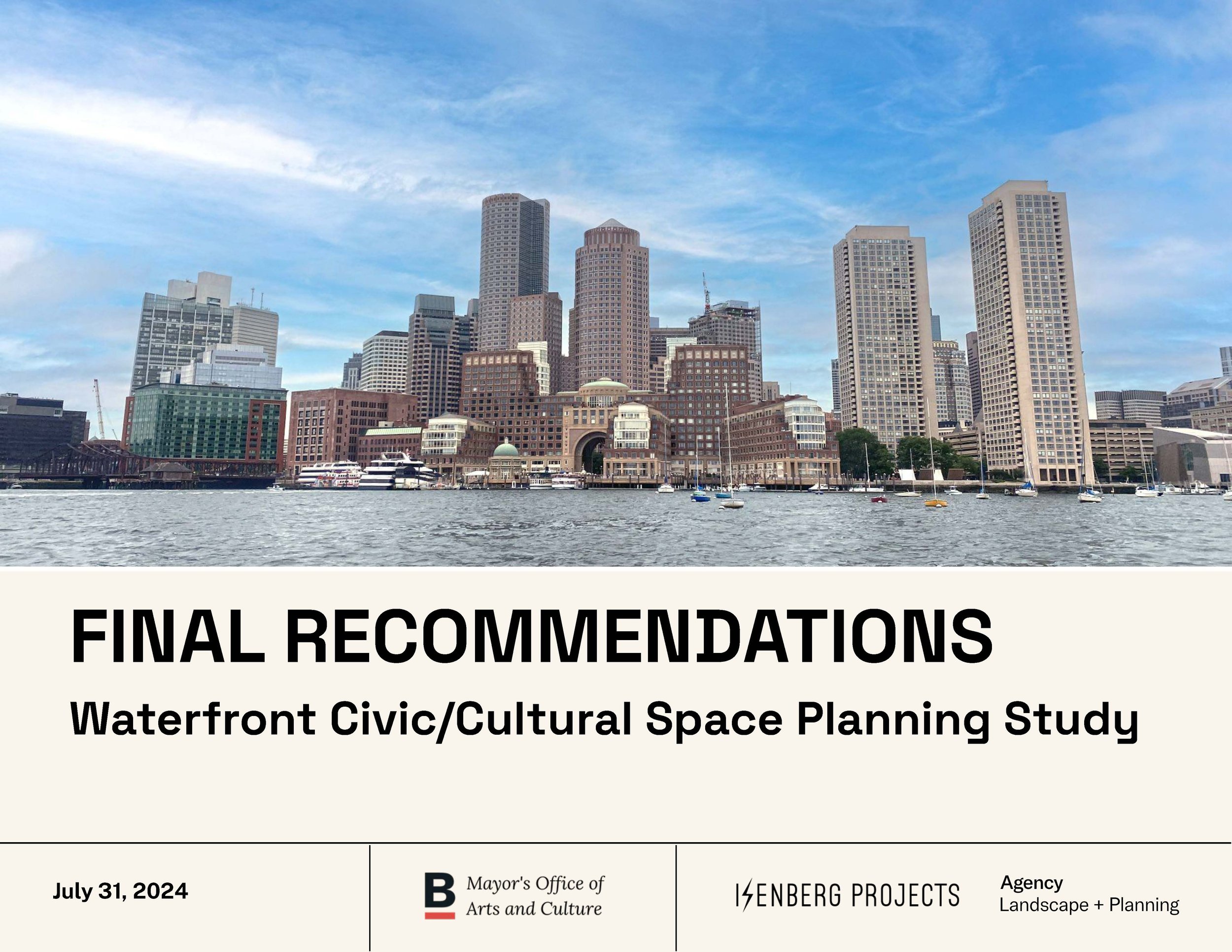
The Waterfront Civic/Cultural Space Planning Study is intended to assess the existing and pending civic/cultural uses and future opportunities across waterfront areas in Boston to inform more equitable planning, design and tenanting approaches for spaces provided through Chapter 91 regulations. In addition, this planning study is anticipated to update the City’s evidence base on civic/cultural uses, space needs, FPA outcomes, and design and operational processes. At its core, this planning study will inform ongoing development projects with relevant civic/cultural, FPA, and affordable retail space commitments, particularly in neighborhoods such as Dorchester, Fort Point, Charlestown, and East Boston.