
Who We Are
Our Mission
Save the Harbor’s mission is to restore and protect Boston Harbor, Massachusetts Bay, and the marine environment, and share them with the public for everyone to enjoy.
Our History
Save the Harbor / Save the Bay is a non-profit public interest harbor advocacy organization. We are made up of thousands of community members, as well as scientists, and civic, corporate, cultural and community leaders whose mission is to restore and protect Boston Harbor, Massachusetts Bay, and the marine environment and share them with the public for everyone to enjoy.
Save the Harbor was founded in 1986 by the attorney who initiated the Boston Harbor Case, the judge who first heard it, the reporter who covered the case for the Boston Globe and a passionate advocate who wanted to make Boston Harbor clean enough for her children to enjoy.
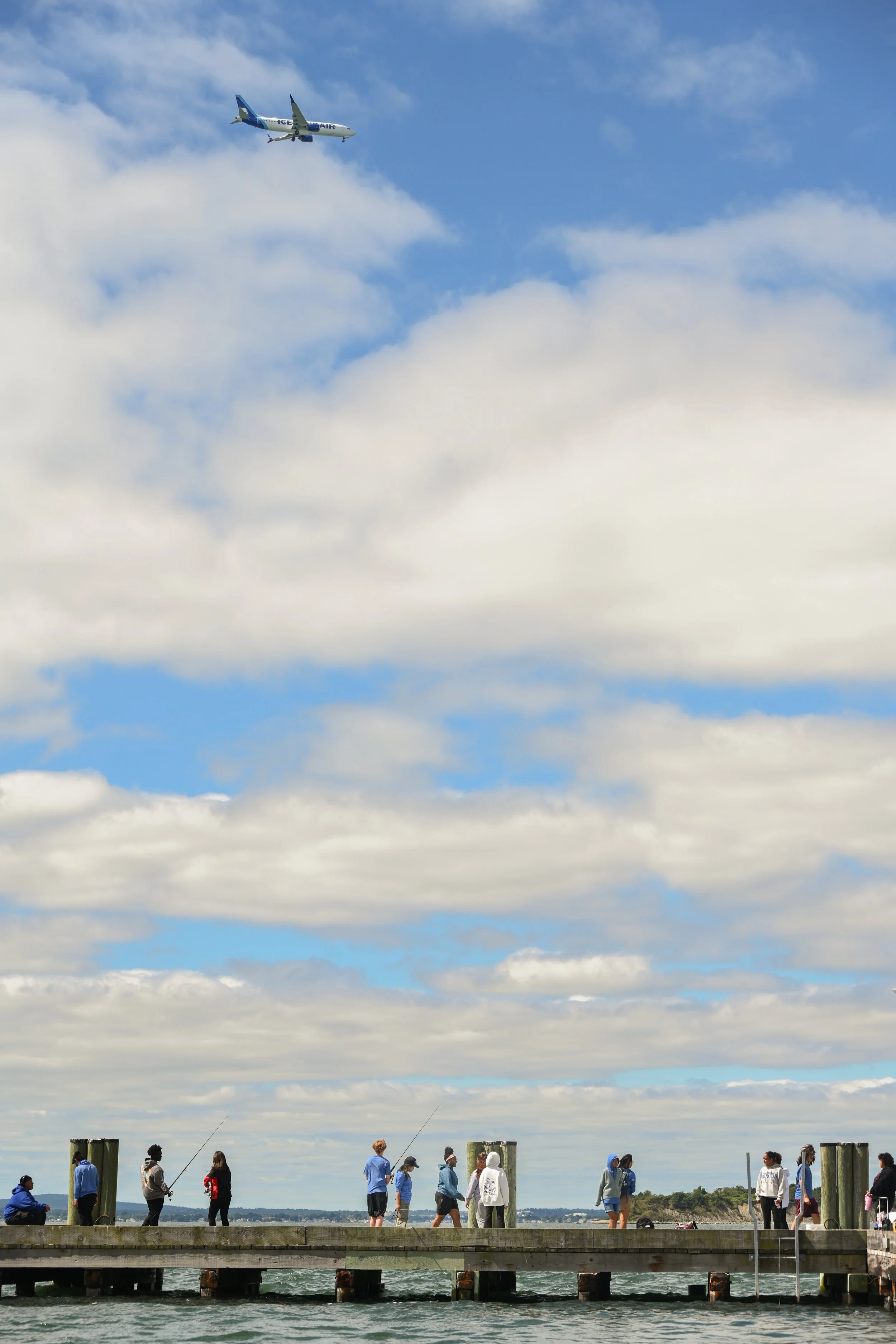
Today we are the region’s leading voice for clean water and continued public investment in Boston Harbor, the region’s public beaches, the Boston Harbor Islands and serve as the Boston Harbor Connection for a generation of young people and their families. Our free youth environmental education and family programs have connected over 350,000 young people and their families to Boston Harbor and the Boston Harbor Islands.
Since 1986, Save the Harbor/Save the Bay:
Successfully advocated for the completion of the Boston Harbor cleanup, transforming Boston Harbor from a national disgrace into a source of recreational, educational and economic opportunity and civic pride.
Led the effort to create the Boston Harbor Islands National Park, transforming 34 neglected islands into a remarkable destination for the region’s residents and visitors alike.
Led the effort to virtually eliminate both combined sewer overflows and storm water discharges into North Dorchester Bay, transforming the South Boston beaches into some of the cleanest urban beaches in America.
Continues to lead critical efforts to increase our understanding of our marine environment and improve water quality and beach flagging accuracy in Boston Harbor, Massachusetts Bay, and on our public beaches from Nahant on the North Shore to Nantasket on the South Shore.
Leads and manages the Metropolitan Beaches Commission for the Massachusetts Legislature. The MBC is charged with making findings and recommendations on how to improve the Boston Harbor Region’s public beaches in Lynn, Nahant, Revere, Winthrop, East Boston, South Boston, Dorchester, Quincy and Hull.
Strengthens Boston’s waterfront neighborhoods and the region’s beachfront communities by hosting and sponsoring scores of free events and programs on the region’s public beaches from Nahant to Nantasket.
Our Values
Save the Harbor is committed to making Boston Harbor, the Islands, our beaches, and our programs inclusive, equitable, diverse, and accessible for everyone and anyone, knowing that racism and oppressive systems have prevented that from becoming a reality.
All of us at Save the Harbor recognize that to achieve our mission of sharing the harbor with everyone, we must work to dismantle systems and privileges that benefit some groups and individuals and disadvantage others based on their race, income, gender, sexual orientation, national origin, and physical or mental disability.
Racism in all its forms is harmful, dehumanizing, and antithetical to our mission. Save the Harbor is committed to anti-racism within an intersectional framework that also addresses sexism, classism, ableism, and other forms of oppression.
To these ends, Save the Harbor will:
Elevate and amplify the voices of people of color, queer people, and folks from marginalized groups.
Maintain and develop partnerships with organizations led by and/or serving people of color, queer people, and folks from marginalized groups in both our youth and beach programs.
Foster a workplace that is intentionally equitable, diverse, inclusive, and just.
Be consistent and explicit in addressing racial injustices and violent acts that have happened and continue to occur on our region’s beaches.
Continue to work toward making the beaches, Harbor Islands, and Boston Harbor more accessible to people with disabilities.
Examine our strengths, weaknesses, values, and implicit biases to provide the community with equitable and accessible programs and resources. These values will serve as a checklist for all we do and guide all our work.